Wood Puzzles: A Timeless, Screen-Free Way to Learn, Relax, and Connect
Wood puzzles combine tactile craftsmanship with brain-boosting challenge. From classic jigsaws and 3D models to interlocking burr puzzles and educational toddler boards, wooden puzzles offer durable play, beautiful display value, and meaningful cognitive benefits for nearly every age group. This guide explains the main types of wood puzzles, how to choose the right one, what skills they develop, and how to care for them—so you can buy smarter and enjoy them longer.
Why Wood Puzzles Are So Popular
Compared with many cardboard or plastic options, wood puzzles are known for their long lifespan and premium feel. Their appeal often comes down to a few practical advantages:
- Durability: Wood resists bending, tearing, and edge wear.
- Better handling: Thicker pieces are easier to grasp, especially for kids and seniors.
- Display quality: Many wooden jigsaws and 3D kits look like decor when completed.
- Screen-free engagement: A calming, focused activity that fits modern wellness goals.
Common Types of Wood Puzzles (and Who They’re For)
1) Wooden Jigsaw Puzzles
Wooden jigsaws range from simple children’s scenes to complex, laser-cut art puzzles for adults. Many premium sets include whimsy pieces (unique shapes like animals or icons) that add variety and challenge. If you want an heirloom-quality puzzle that can be completed repeatedly, a wood jigsaw puzzle is a strong choice.
2) Educational Wooden Puzzles for Toddlers and Preschoolers
These include chunky knob puzzles, letter and number boards, shape sorters, and peg puzzles. They help develop early fine-motor control and recognition skills. For young children, choose puzzles with larger pieces, smooth edges, and non-toxic finishes.
3) 3D Wooden Model Kits
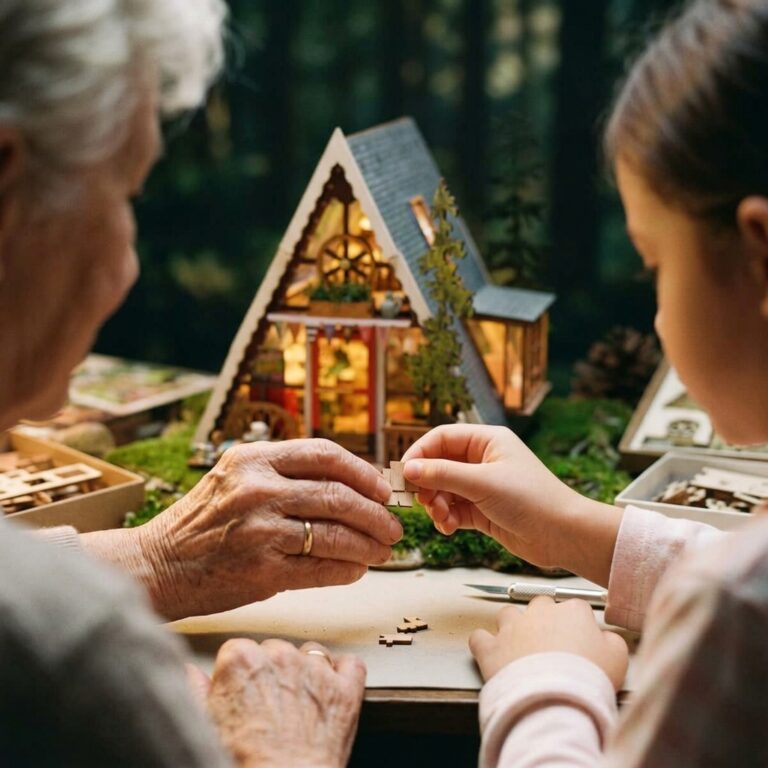
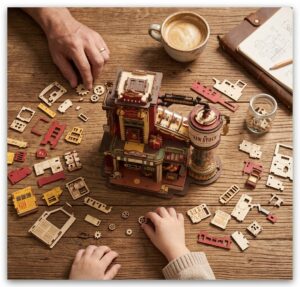
3D wood puzzles (often marketed as wooden model kits) involve assembling pre-cut parts into structures like mechanical clocks, vehicles, architecture, or animals. These puzzles are part craft project, part engineering challenge—ideal for teens and adults who enjoy building and displaying finished models.
4) Interlocking Mechanical Puzzles (Burr, Box, and Disentanglement)
Mechanical wooden puzzles focus on problem-solving rather than image assembly. Popular subtypes include:
- Burr puzzles: Interlocking sticks that must be assembled or taken apart in a specific sequence.
- Secret box puzzles: Sliding panels or hidden mechanisms reveal compartments.
- Disentanglement puzzles: Remove a piece or loop from a wooden frame without forcing it.
These are excellent for adults who love logic challenges and for gifting because they feel special and interactive.
5) Personalized and Custom-Cut Wooden Puzzles
Custom wood puzzles can be made from photographs, maps, wedding art, or company branding. They’re popular as keepsakes for anniversaries, birthdays, and family holidays. If you’re shopping for a memorable gift, personalization adds emotional value beyond the puzzle itself.
Key Benefits of Wood Puzzles
Cognitive and Emotional Benefits
- Problem-solving and reasoning: Great for planning, pattern recognition, and trial-and-error learning.
- Attention and patience: Completing a puzzle encourages sustained focus.
- Stress reduction: Many people find puzzles calming and meditative.
- Memory and spatial skills: Helpful for visualizing shapes and relationships.
Benefits for Kids
- Fine motor development: Grasping and placing pieces strengthens hand control.
- Language and numeracy support: Letter/number puzzles reinforce early learning.
- Confidence: Finishing a puzzle provides clear, motivating progress.
Benefits for Adults and Seniors
For adults, wood puzzles can be a restorative hobby after work. For seniors, larger wooden pieces may be easier to handle than thin cardboard, making wooden jigsaws a practical option for social puzzle nights or quiet solo sessions.
How to Choose the Right Wood Puzzle
1) Match Difficulty to the Player
- Toddlers: 2–12 large pieces, knobs/pegs, simple shapes, and sturdy boards.
- Kids (5–10): 24–100 pieces, familiar scenes, clear image cues.
- Teens/Adults: 200–1000+ pieces for jigsaws; intermediate to advanced for mechanical puzzles.
2) Consider Piece Quality and Fit
High-quality wood puzzles usually feature clean laser cuts, minimal scorch marks, and tight-fitting pieces that don’t wobble. If you plan to reassemble the puzzle often, durable fit matters as much as the artwork.
3) Choose Safe Materials and Finishes
For children, prioritize non-toxic finishes and reputable safety testing. In the U.S., you can reference guidance from the U.S. Consumer Product Safety Commission to understand general toy safety expectations.
4) Decide Between Art, Learning, or Engineering
Ask what you want the experience to be:
- Art-focused: wooden jigsaw with premium illustration or photography.
- Learning-focused: alphabet, numbers, shapes, maps.
- Build-focused: 3D wooden model kit with moving parts.
- Logic-focused: burr or secret box puzzle.
Care and Maintenance Tips
- Store flat and dry: Avoid humidity to prevent warping.
- Keep away from direct sunlight: Helps prevent fading and drying.
- Clean gently: Use a dry microfiber cloth. If needed, lightly dampen and dry immediately.
- Avoid forcing pieces: If something doesn’t fit, check orientation—especially with mechanical puzzles.
Wood Puzzles as Gifts: Occasions and Ideas
Because they feel substantial and lasting, wood puzzles make excellent gifts for:
- Family holidays: A shared activity that becomes a tradition.
- Housewarming: Choose an architectural 3D kit or an art puzzle for display.
- Birthdays: Personalized photo puzzles are especially memorable.
- Corporate gifting: Custom puzzles can reflect brand storytelling without being disposable.
Recommended Next Steps (Internal Resource)
If you’re building a puzzle collection or shopping by age and difficulty, see our related guide: Puzzle Buying Guide. It covers piece counts, skill levels, and how to compare puzzle materials.
Helpful External Resources
- Jigsaw puzzle (background and history)
- U.S. Consumer Product Safety Commission (toy safety information)
FAQ: Wood Puzzles
Are wood puzzles better than cardboard puzzles?
It depends on your priorities. Cardboard puzzles are usually cheaper and more widely available. Wood puzzles typically offer better durability, a thicker feel, and often more precise cutting—making them great for repeated use and gifting.
What’s a good wood puzzle for beginners?
For adults, start with a 200–300 piece wooden jigsaw with clear image sections or a beginner-level burr puzzle. For kids, choose a simple board puzzle with large pieces and a familiar theme.
How can I tell if a wooden puzzle is high quality?
Look for smooth edges, consistent piece thickness, minimal burn residue, and snug fit. Reputable brands typically provide clear age grading and material/finish details.
Can wood puzzles be recycled?
Recycling depends on local rules and the puzzle’s coatings, inks, and adhesives. Many people donate or resell wooden puzzles because they hold up well over time.